Skip to content

Uganda: +256 704 893876 
UK: 03300 880 796

  • Tours and Safaris
    • East Africa
      • KENYA
      • RWANDA
      • Tanzania
      • UGANDA
  • Destinations
    • East Africa
      • TANZANIA
      • KENYA
      • RWANDA
      • UGANDA
  • About Us
Menu
  • Tours and Safaris
    • East Africa
      • KENYA
      • RWANDA
      • Tanzania
      • UGANDA
  • Destinations
    • East Africa
      • TANZANIA
      • KENYA
      • RWANDA
      • UGANDA
  • About Us
Search
Close this search box.

KENYA

Diverse Culture and Natural Beauty
let us start planning
View Gallery

Peak Time

Jan - March and July -Oct

Best Time To Go

Year-Round

Famous For

The Great Migration

Price Per Day

$150-$3500

Home of

Lamu Island and the Maasai Mara

Peak Time

Jan - March and July -Oct

Best Time To Go

Year-Round

Famous For

The Great Migration

Price Per Day

$150-$3500

Home of

Lamu Island and the Maasai Mara

Kenya’s wildlife industry is a significant sector that contributes to the country’s economy and conservation efforts.  Kenya is a country  with a rich culture heritage, diverse wildlife, and breath taking natural beauty, from the savannas to the mountains and coastlines.   Visitors from around the world come to experience Kenya’s diverse wildlife, including the Big Five (lion, leopard, rhinoceros, elephant, and Cape buffalo).

The Kenya Wildlife Service (KWS) is responsible for conserving and managing wildlife in the country.

KWS works to protect wildlife habitats, prevent poaching, and rehabilitate injured or orphaned animals.

National Parks and Reserves

Kenya has a network of national parks and reserves, including:

  • Masai Mara National Reserve (famous for the annual wildebeest migration)
  • Amboseli National Park (known for its large elephant population)
  • Tsavo National Park (divided into Tsavo East and Tsavo West)
  • Lake Nakuru National Park (famous for its flamingo population)

Wildlife Population

Kenya is home to a diverse range of wildlife, including:

  •   Large mammals (lion, elephant, buffalo, leopard, rhinoceros, and hippopotamus)
  •   Antelopes (impala, topi, kudu, and dik-dik)
  •   Primates (baboon, monkey, and chimpanzee)
  •   Birds (over 1,000 species, including ostriches, eagles, and flamingos)
Community-based conservation initiatives engage local communities in wildlife conservation whilst ecotourism promotes responsible wildlife tourism and supports conservation efforts.

At the same time research and monitoring programs help understand and manage wildlife populations. Is kenya worth a visit? 100% YES.

The best time to visit Kenya’s wildlife is during the dry seasons, which are from;
  • January to March
  • June to October
  • December to March. Please be aware that parks gets very crowded during this period especially the Masai Mara and Lake Nakuru.
The most popular attraction to Kenya is the wildebeest migration which usually occurs from July to October.

Safari Tour Ideas

Our Travel Experts will make your safari dreams come true. Here are a few tour ideas to get you dreaming about.

Get to Know Kenya a little bit more

Once upon a time, in the heart of Kenya’s savannah, there was a young Maasai warrior named Kipenzi. Kipenzi was known for his bravery and kindness, and his name, which means “beloved” in Swahili, suited him well. One day, while out on a walk, Kipenzi came across a lost baby elephant. The little elephant had wandered away from its herd and was crying out for its mother. Kipenzi knew he had to help the baby elephant find its way back home. He gently picked up the baby elephant and began to search for its herd. As he walked, he sang a traditional Maasai lullaby to comfort the little one. After many hours of searching, Kipenzi finally found the herd, and the baby elephant was reunited with its mother. The mother elephant was so grateful to Kipenzi that she gave him a special gift – a beautiful, handmade beaded bracelet. From that day on, Kipenzi wore the bracelet as a symbol of his kindness and bravery. As the years passed, Kipenzi became a respected leader in his community, known for his wisdom and compassion. And every time he looked at the bracelet, he remembered the lost baby elephant and the joy of reuniting it with its mother.

This story reflects the values of Kenyan culture, such as kindness, bravery, and community, and highlights the special connection between humans and wildlife in Kenya’s beautiful savannah.

Frequently Asked Questions

We’ve taken the liberty to answer everything you may need to know before your wild visit

How much does a safari in Kenya cost?

The cost for a Kenya safari ranges from $200 to $3,000 per person per day. Chat to one of our Travel Experts to ensure the best Kenya safari experience according to your time and budget. Here are a few examples of what influences your final Kenya safari cost:

– Time of year with great differences between low and high season prices.

– Your choice of safari lodges and camps.

– Duration of your stay, with great specials for extended bookings

– Where you go, with the cost going up proportionally to the remoteness of your destination and your choice of transportation – e.g. fly-in vs. overland safari vehicle.

– Your choice of safari activities ranging from inclusive wildlife activities to exclusive hot air balloon rides.

Do I need any medication or preventative medication before visiting Kenya?

Yes. We recommend anti-malarial medication no matter what time of year you plan to visit Kenya. Consult your health practitioner for advice on the right choice of prophylaxis for your body well in advance of your departure date. And if you live in a yellow fever region or plan to travel through a region where it is endemic during your stay, you will need a vaccination and certificate.

What is the best time to visit Kenya?

Kenya, like the rest of Africa, is a year-round destination. But some months are better suited for game viewing and the famous Great Migration while others are ideal for scenery, birdlife and beach-and-bush combinations. It all comes down to your own interests and preferences. Let’s have a look at the seasonal highlights.

August – October

This is the best time to visit Kenya for wildlife safaris and to experience the Great Wildebeest Migration in the Maasai Mara. The migration is triggered by rainfall patterns and new grass growth. These dry, wintry months are also best for general game viewing. So with or without witnessing the Great Migration, your East African safari experience will be amazing!

December – March

The best time to visit Kenya for beaches, scenery, birdlife and wildlife viewing outside of peak season is from December to March. During these months, game viewing is still excellent and fewer travellers means great deals to be found. Days are hot, mostly clear and not too humid along Kenya’s tropical coastline.

April – May

So when is it not the best time to visit Kenya? The so-called long rains drench Kenya in April and May with a wet monsoon that renders the coastline a muggy haze and the hinterland a boggy though seriously picturesque quagmire. The perfect time to visit Kenya if you want the place to yourself. Contact our Travel Experts before deciding when to travel to Kenya.

What currency is used in Kenya?

The Kenyan Shilling, however USD is also a pretty popular currency in the country.

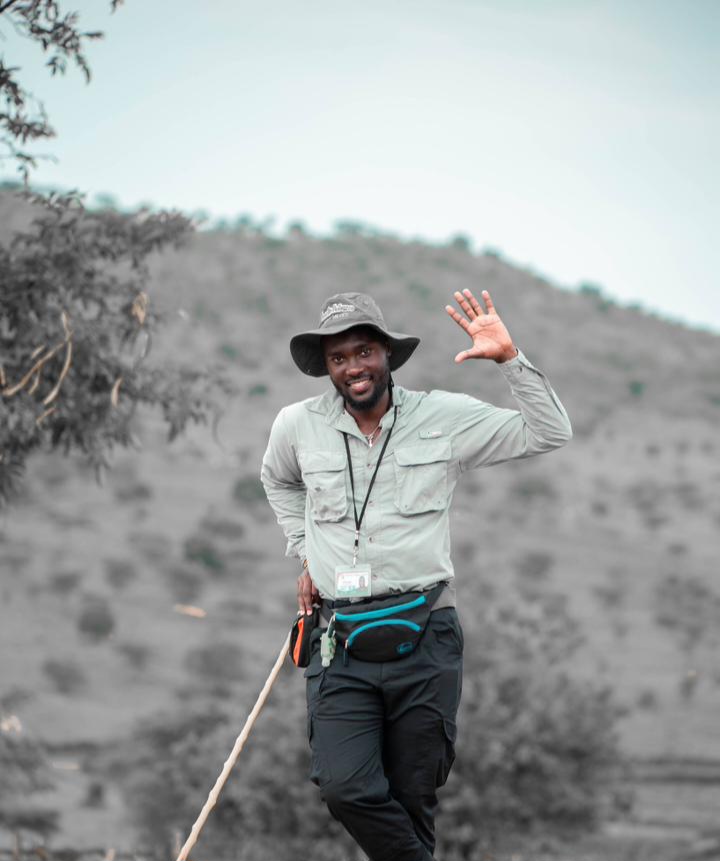
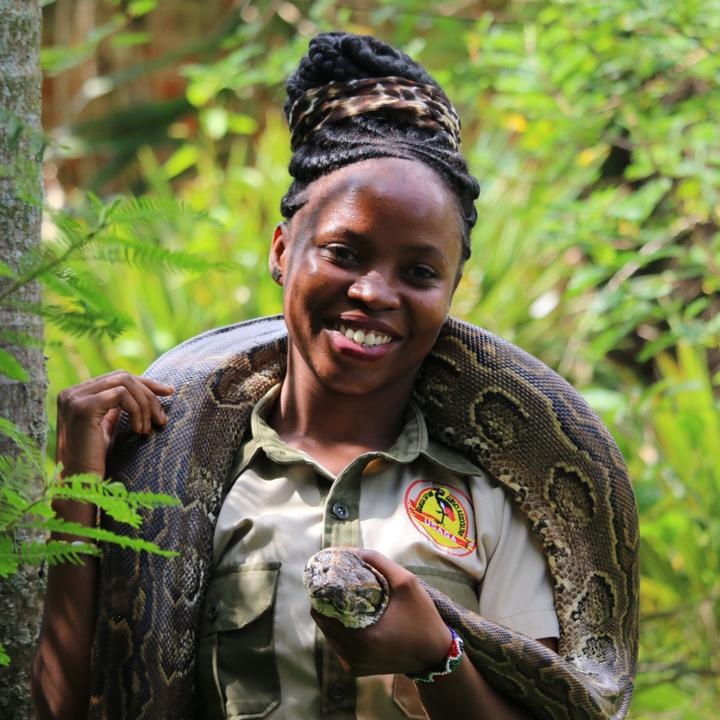
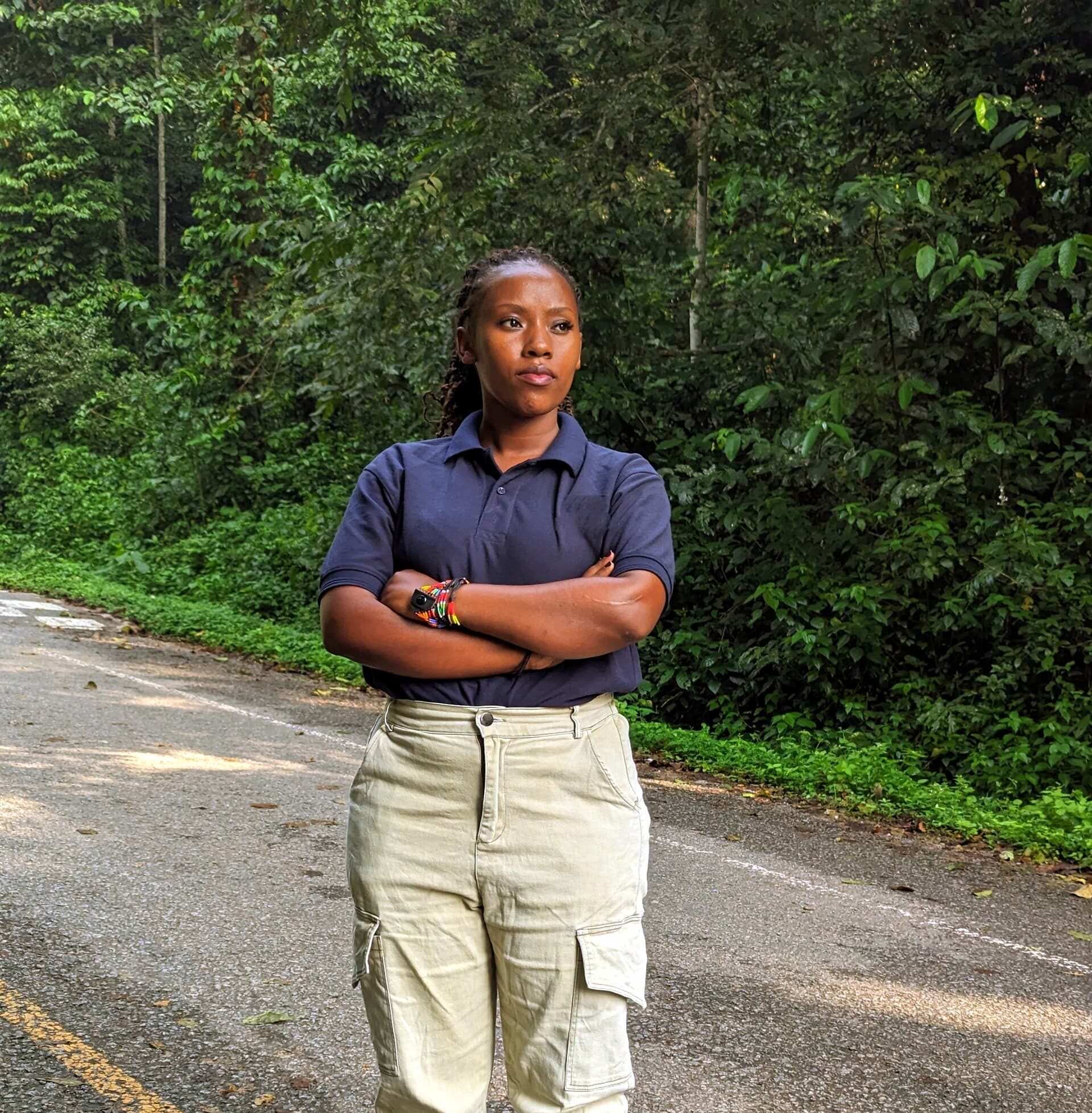
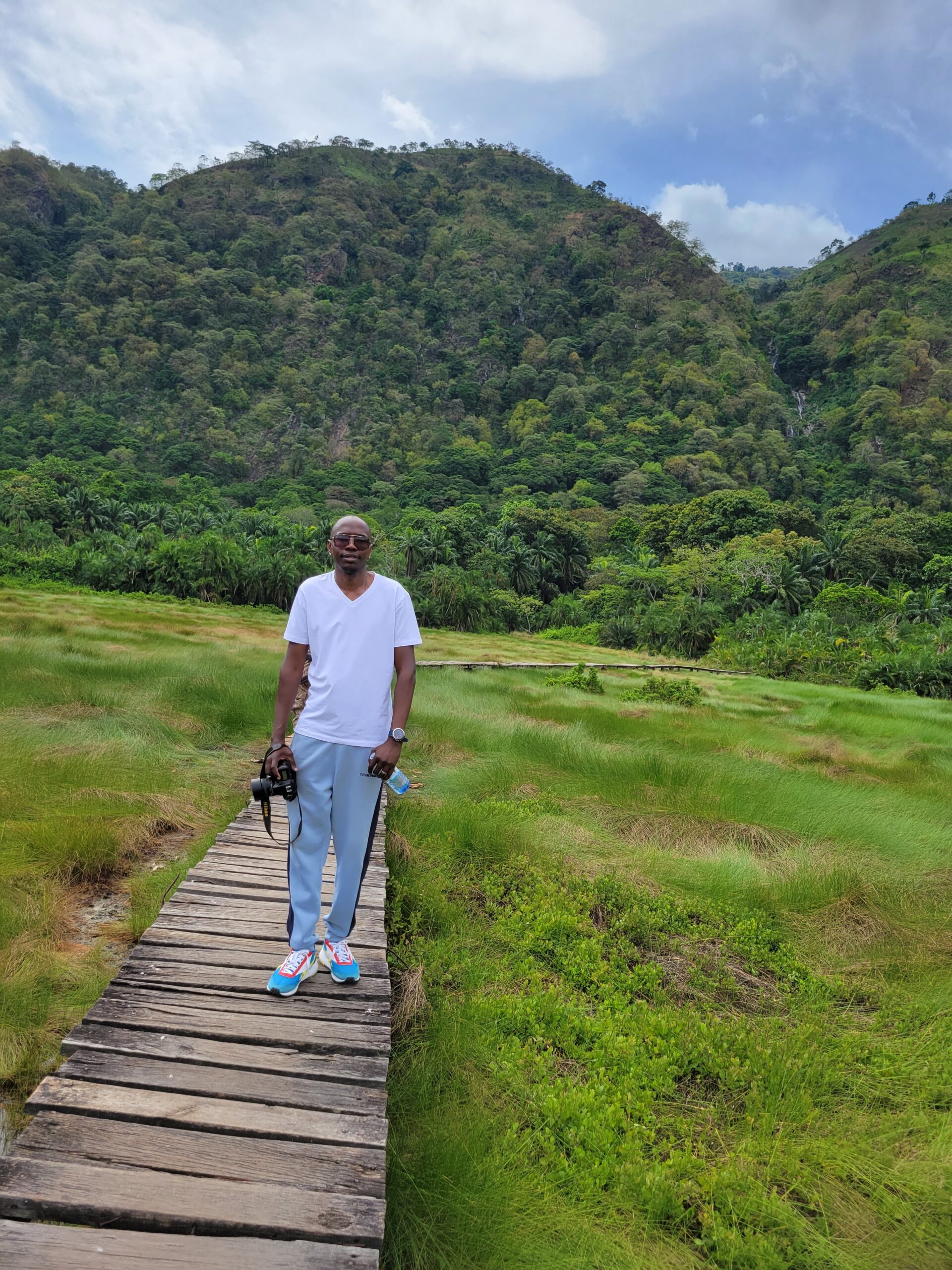
The Wild Team

Our Safari Experts

George

Adams

Allan

Jazel

Brenda

Allen

Stars Wildlife Venture Africa LTD trading as Africa Wildlife Ventures.

Registered in the Republic of Uganda, registration No: 80020003620117. 

Certified  by the Uganda Tourism Board under licence number UTB/RTT/TO/2024/101312.

Contact us

UK Office: Coming soon

Uganda Office: Unit 35 Nkumba Rd. Entebbe

info@africawildlifeventures.com

Uganda: +256 704 893876

UK: 03300 880 796
Outside UK: +44 3300 880 796

New Zealand: Coming soon

DESTINATIONS

  • EAST AFRICA
  • KENYA
  • RWANDA
  • UGANDA
  • TANZANIA
  • EAST AFRICA
  • KENYA
  • RWANDA
  • UGANDA
  • TANZANIA

experiences

  • Romantic Holidays
  • Gorilla and Chimpanzee Trekking
  • Romantic Holidays
  • Gorilla and Chimpanzee Trekking

Follow us

Facebook-f X-twitter Instagram Linkedin-in Youtube

Copyright © 2024 Africa Wildlife Ventures. All rights reserved.

PRIVACY POLICY